Monday, 6 April 2015

Juicing Vs. Blending

Both juicing and blending have become popular. We're not saying either way is bad, but here's something to consider.

When juicing, you remove the insoluble fiber. While fiber is good for the body, it slows down the absorption of nutrients. with juicing, you extract 70 percent of the nutrition into your glass, and because there is no insoluble fiber, your body absorbs 100 percent of the nutrients, vitamins and minerals found in vegetables. Thus, juicing nourishes and restores our bodies at a cellular level.

In addition, vegetables tend to taste milder when they're juiced because juicers filter out the pulp, skin, seeds and stems.


Tuesday, 21 October 2014

Why your brain makes you reach for junk food?

Will that be a pizza for you or will you go for a salad? Choosing what you eat is not simply a matter of taste, conclude scientists in a new study at the Montreal Neurological Institute and Hospital of McGill University and the McGill University Health Centre. As you glance over a menu or peruse the shelves in a supermarket, your brain is making decisions based more on a food's caloric content.

The study, published in Psychological Science, is based on brain scans of healthy participants who were asked to examine pictures of various foods. Participants rated which foods they would like to consume and were asked to estimate the calorie content of each food. Surprisingly, they were poor at accurately judging the number of calories in the various foods, but their choices and their willingness to pay still centered on those foods with higher caloric content.
"Earlier studies found that children and adults tend to choose high-calorie food" says Dr. Alain Dagher, neurologist at the Montreal Neurological Institute and Hospital and lead author of the study. "The easy availability and low cost of high-calorie food has been blamed for the rise in obesity. Their consumption is largely governed by the anticipated effects of these foods, which are likely learned through experience. Our study sought to determine how people's awareness of caloric content influenced the brain areas known to be implicated in evaluating food options. We found that brain activity tracked the true caloric content of foods."
Decisions about food consumption and caloric density are linked to a part of the brain called the ventromedial prefrontal cortex, an area that encodes the value of stimuli and predicts immediate consumption.
Understanding the reasons for people's food choices could help to control the factors that lead to obesity, a condition affecting 1 in 4 Canadian adults and 1 in 10 children. Obesity is linked to many health problems including high blood pressure, heart disease and type 2 diabetes. Treating Canadians who have these problems costs billions of tax health dollars.
This work was funded by the Canadian Institutes of Health Research.

Tuesday, 2 September 2014

The Diverticular Disase Diet

" Some simple changes - like adding fiber to your diet can help protect you from diverticular disease" 


Diveticular Disease describes two common diseases of the colon, diverticulosis and diverticulitis. 

When small pouches form in the colon wall, the condition is called diverticulosis. The pouches, called diverticula, can become inflamed; when this happens, the condition name is diverticulitis. Diverticulitis can be dangerous if left untreated, causing bleeding, blockages, tears, and infection. 

Diet and Diverticular Disease: is low Fiber the Cause? 
"Diet probably has a role in the development of diverticular disease," says Osama Alaradi, MD. A gastroenterologist and senior staff physician at the Henry Ford Hospital in Detroit, Mich. Researchers have noticed that low-fiber diet in particular seems to play  huge role.   

"Countries where they continue to eat high fiber still have lower incidence of disease" Dr. Alaradi explains. Diverticulosis and diverticulitis are less common in Africa and Asia, and most common in Western nation like the United States, where incidence reaches as high as 40 percent of people over age 60, Alaradi says. 

In the United States, diverticular disease was less common at the beginning of the 19th century and has been steadily increasing since the 1960s. " Less exercise, more fast food, and less fiber. The lifestyle has changed," Alaradi explains. "it's much less common in vegetarians." Vegetarian diets tend to be higher in fiber than non vegetarian diets. 

Diet and Diverticular Disease: is Higer Fiber the Solution? 
"High-fiber and low-fat diets are protective against diverticular disease," Alaradi says. it's probable that the high fiber is more important than the low fat." This may be related to the role of fiber in preventing constipation, which is not only uncomfortable, but also increases the pressure inside your colon, which may put you at risk for diverticular disease. 

"You develop raised colonic pressure," Alaradi says. "if you have to strain to have a bowel movement, the pressure is higher." This pressure can cause the weak spots in your colon to bulge out, forming the diverticula. 

"When we talk about the role of diet in management, we mean either to prevent more episodes or to minimize the recurrence, " Alaradi says. "There is some evidence to suggest that a long-term fiber supplement reduces recurrence." 

There's no time like the present to increase your fiber intake. Start slowly when adding fiber to give your body time to adjust. Vegetables and fruits are good sources of fiber to start with. Then increase fiber through whole grains and vegetable proteins, like beans and legumes. Talk to your doctor or ask for a referral to a registered dietitian if you need help finding sources of fiber that you like. 

Diet and Diverticular Disease: The Truth About Nuts and Corn
Many people with diverticular disease decide to avoid nuts, corn, and popcorn after their diagnosis, mistakenly believing them to cause irritation to the diverticula. "There is no evidence for this practice, but it's a widespread belief among patients, and even among physicians," Alaradi says. 

A Study published in the Journal of the Americans Medical Association followed more than 47,000 men over a period of 18 years and found no evidence that nuts and corn complicate diverticular disease. In face, These high-fiber foods are a much better snack choice than a bag of chips, which have little fiber and no nutritional value. 

In general, the more mindful you are of what you eat, the lower your chances of developing diverticular disease. Choosing healthy food on a regular basis is simply best for your body int he long run. 


From "Everyday Health"
By: Connie Brichford

Thursday, 7 August 2014

Could chili peppers reduce the risk of colorectal cancer?

Good news for spicy food lovers; the active ingredient found in chili peppers - capsaicin - could reduce the risk of colorectal cancer, according to a new study published in The Journal of Clinical Investigation.  


The research team, including senior author Dr. Eyal Raz, professor of medicine at the University of California-San Diego School of Medicine, found that capsaicin activated a pain receptor called TRPV1 in mice, which reduced tumor development in their gut.


TRPV1 was first discovered in sensory neurons, the researchers say, where it protects the cells against potential damage from heat, acidity and spicy chemicals in the environment.
"Thus," says Dr. Raz. "TRPV1 was quickly described as a molecular 'pain receptor.' This can be considered to be its conventional function, which all takes place in the nervous system."

TRPV1 'suppresses intestinal tumors'

But in this latest study, Dr. Raz and colleagues found that epithelial cells in the intestines also express TRPV1 when stimulated by the epidermal growth factor receptor (EGFR) - a receptor crucial to cell growth in the intestines.
The researchers note that if EGFR signaling is impaired, this causes cell growth to become out of control, increasing the risk of tumor development.
The team's study revealed that when TRPV1 is activated by the EGFR, TRPV1 activates a "direct negative feedback" on the EGFR, which reduces growth of unwanted cells in the intestine and in turn, reduces the risk of tumor development.
The researchers genetically modified mice to be TRPV1-deficient, and found that they experienced a much higher rate of intestinal tumor growth, compared with mice who had an active form of TRPV1. This indicates, the team says, that TRPV1 usually works to suppress tumors in the intestines.
Furthermore, the team found that capsaicin appears to play a role in activating TRPV1.

The role of capsaicin against colorectal cancer

Capsaicin is the heat-generating ingredient in chili peppers that come from the Capsicum genus, such as jalapeƱo peppers. It is an irritant to mammals, including humans, causing a burning sensation when it comes into contact with body tissue.
As well as its obvious role in spicy foods, capsaicin is used in topical medications to relieve pain and is the active ingredient in pepper spray.
In their study, the team fed capsaicin to mice that were genetically susceptible to the development of multiple tumors in the gut.
They found that the component reduced tumor development in the mice by activating TRPV1 and extended their lifespan by more than 30%. In addition, such effects were boosted when combined with a COX-2 non-steroidal anti-inflammatory drug called celecoxib.
Dr. Raz notes that TRPV1 mutations have previously been uncovered in molecular studies of human colorectal cancer samples, but as yet, there is no evidence suggesting that TRPV1 deficiency in humans increases the risk of colorectal cancer.
Written by "Honor Whiteman"


Thursday, 26 June 2014

What Kind of Vegetarian Are You?


One size doesn't fit all when it comes to vegetarianism. Food and health experts say more and more people are adopting some type of vegetarian diet, but what they choose to eat and not eat depends on what type of vegetarian they want to be.
About 2.5 percent of American adults (or 4.8 million people) consistently ate a vegetarian diet in 2000, according to the American Dietetic Association, and 20 to 25 percent ate four or more meatless meals a week. Experts believe this number is growing, given the large number of vegetarian options popping up on restaurant menus and in prepackaged foods at the grocery store.
Vegetarian: What Does It Mean?
Generally speaking, a vegetarian eats fruits, vegetables, dried beans and peas, grains, nuts and seeds and avoids meat, fish, and fowl. However, within the vegetarian category, there are a number of subgroups, including the following:
  • Lacto-vegetarians who eat plant foods plus dairy products
  • Lacto-ovo vegetarians who consume both dairy products and eggs
  • Vegans who avoid all animal products — no dairy, no eggs — and eat only vegetables, fruits, and grains
Semi-Vegetarians
Then there are those who call themselves semi-vegetarians.
"Semi-vegetarian does not have one standard definition," says Susan B. Roberts, PhD, professor in the nutrition and psychiatry departments at Tufts University in Boston and author of The Instinct Diet."People use it to describe their own practice of a largely, but not exclusively, vegetarian diet."
A semi-vegetarian could be a person who usually eats vegetarian but occasionally eats meat, for instance, or it could be someone who doesn't eat red meat but eats other meats.
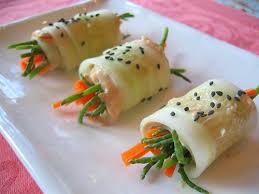
Raw-Food Diet
Some people also enjoy a raw-food diet. "Raw-food diets are those that emphasize eating uncooked stuff — truly raw products, uncooked, non-homogenized, etc.," says Roberts. "Again, there is no one single definition; it bundles a bunch of things. For example, some people would eat 100 percent raw, others would consider you are eating a raw-food diet if most — two-thirds or more — is raw." A raw-food diet might include vegetables only, or it might include fish, meat, and eggs as well, she says.
There are health risks to consuming a raw-food diet. Eating uncooked foods, such as some fish or meat, can cause food poisoning, warns Roberts. She notes that many types of sprouts contain dangerous bacteria as well.
Fruitarian Diet
The least common type of vegetarian diet is called a fruitarian diet. As with semi-vegetarians and the raw-food dieters, there is no strict definition of what it means to be a fruitarian. Basically, though, fruitarians eat only the ripe fruit of plants and trees.
Roberts does not advocate the fruitarian diet. "This is pure craziness," she says. "Fortunately, it is also really rare because it is hard and would make you feel crummy quite soon. It is impossible to consume a nutritionally safe diet when you follow these rules. You would have to add substantial extra foods for it to be healthy for example, milk, nuts, grains and then you have got a vegetarian diet."
Why Do People Choose a Vegetarian Diet? 
Many people decide to eat a vegetarian diet for health reasons. Research has shown that vegetarians have a lower body mass index (BMI) and lower cholesterol and are less likely to die from heart disease. They may also be at lower risk for constipation, diverticulosis (small pouches that protrude from the large intestine and can become infected and inflamed), gallstones, and appendicitis.
Others become vegetarians for religious beliefs, because of environmental or animal welfare concerns, for economic reasons, or because they just don't like the taste or texture of meat.
Is a Vegetarian Diet Healthy? 
People who adhere to a vegetarian diet may not be feeding their body important nutrients it needs to optimally function. Of particular concern is vitamin B-12, which comes naturally only from animal sources, and protein, iron, vitamin D, calcium, and zinc. So, if you are considering adopting a vegetarian diet, talk to a nutritionist to make sure you get the nutrients you need to stay healthy.
By taking certain vitamin supplements and by careful meal planning, being a vegetarian can be a healthy and rewarding way of life.

Thursday, 19 June 2014

Positively Perfect Pizza

Arugula & Prosciutto Pizza
Arugula & Prosciutto Pizza Recipe

This the perfect summer meal to make the perfect summer day. With crisp, crunchy vegetables and soft, melted cheese, it will leave your mouth watering for this irresistible white pizza.

Makes: 6 servings
Active Time: 35 minutes
Total Time: 35 minutes

INGREDIENTS:
1 lb prepared pizza dough, preferably whole-wheat
2 tbsp extra-virgin olive oil
1 medium onion, halved & thinly sliced
2 oz very thinly sliced prosciutto, cut into thin strips (about 1/2 cups)
1/4 tsp crushed red pepper
1 cup shredded fontina or part-skim mozzarella cheese
2 cups packed coarsely chopped arugula
1 cup chopped tomato

PREPARATION:
  1. Position oven rack in the lowest position; preheat to 450 degrees Fahrenheit. Coat a large baking sheet with cooking spray.
  2. Roll out dough on a lightly floured surface to about the size of the baking sheet. Transfer to the baking sheet. Bake until puffed & lightly crisped on the bottom, 8-10 minutes.
  3. Meanwhile, heat oil in a large nonstick skillet over medium heat. Add onion, prosciutto & crushed red pepper & cook, stirring, until the onion is beginning to brown, about 3 minutes.
  4. Spread the onion mixture evenly over the crust & top with cheese. Bake until crispy & golden & the cheese is melted, 8 to 10 minutes. Remove from the oven & top with arugula & tomato.
 
NUTRITION:
Per serving: 306 calories; 11 g fat; 28 mg cholesterol; 33 g carbohydrates; 13 g protein; 2 g fiber; 600 mg sodium; 140 mg potassium

Monday, 16 June 2014

Quinoa

Quinoa is a healthy grain crop that is high in protein and gluten-free. If you're looking for quick easy meal to prepare that is rich in protein and deliciously healthy, then this is it.

Herbed Quinoa

Makes 4 servings
Prep Time: 8 minutes
Cook Time: 15 minutes
Total Time 23 minutes

Ingredients:
Quinoa:
2 3/4 cups low-sodium chicken stock
1/4 cup fresh lemon juice
1 1/2 cups quinoa

Dressing:
1/4 cup extra-virgin olive oil
1/4 cup fresh lemon juice
3/4 cup chopped fresh basil
1/4 cup chopped fresh parsley leaves
1 tbsp chopped fresh thyme leaves
2 tsp lemon zest
Kosher salt & freshly ground black pepper

Directions:
Quinoa:
  1. In a medium saucepan, add the chicken stock, lemon juice and quinoa.
  2. Bring to a boil over medium-high heat. Reduce the heat to a simmer, cover the pan and cook until all the liquid is absorbed, about 12 to 15 minutes.

Dressing:
  1. In a small bowl, mix together the olive oil, lemon juice, basil, parsley, thyme, and lemon zest.
  2. Season with salt and pepper, to taste.

Pour the dressing over the quinoa and toss until all the ingredients are coated.
Transfer the quinoa to a bowl. Season with salt and pepper, to taste, and serve.


Friday, 6 June 2014

Fiber-Filled Fun

Many people don't get enough daily fiber. Eating adequate amounts of fiber is not only important for adults to help prevent certain cancers and control cholesterol, it is also the answer to common stomachache complains from kids and is an important factor in preventing diabetes.

Recommended Grams/Day of Fiber by Age
1-3 yrs: 19 grams
4-8 yrs: 25 grams
9-13 yrs: 26-31 grams
14-18 yrs: 16-31 grams

When looking to buy bread or cereal, choose items with at least 3 grams/serving of fiber. Here are some fiber-rich favorites for kids:

almonds
raspberries
blueberries
edamame
bananas
oranges
tomatoes
apples with skin
pears with skin
green peas
beans
baked potatoes with skin
sweet potatoes
oatmeal
whole grain cereals
whole grain breads


Everyone loves meatballs with their spaghetti. These meatballs are full of fiber and so exquisite that any child will love them!

Neapolitan Meatballs


Makes: about 8 servings, 2-3 meatballs each
Active Time: 1 hour
Total Time: 2 hours

INGREDIENTS
1/2 cup bulgur, (see Tips)
2 tbsp extra-virgin olive oil
8 cloves garlic, thinly sliced
3/4 tsp dried oregano
1/4 tsp crushed red pepper
2 28-oz cans diced tomatoes
4 cups diced plum tomatoes (about 1 1/2 lbs)
2 cups cubed whole-wheat country bread
1 large egg
1 large egg white
1 lb 93%-lean ground beef
1/2 cup finely shredded Parmesan cheese
1/2 tsp ground cinnamon
1/2 tsp freshly ground pepper
1/8 tsp salt
1/2 tsp sugar (optional)

PREPARATION

  1. Place bulgur in a medium bowl and cover generously with hot water. Let soak for 30 minutes. Drain in a fine sieve, pressing to remove excess liquid.
  2. Meanwhile, heat 1 tbsp oil in a large dutch oven over medium-low heat. Add garlic, oregano & crushed red pepper; cook, stirring, until softened but not browned, about 1 minute. Stir in canned tomatoes & plum tomatoes; increase heat to medium-high & bring to a simmer. Reduce heat to low. Partially cove & let simmer while you prepare meatballs.
  3. Place bread in a medium  bowl & cover with cold water. Let soak for a few minutes. Drain & squeeze out moisture.
  4. Whisk egg & egg white in a large bowl. Add the bulgur, the bread, beef, Parmesan, cinnamon, pepper, & salt. Gently combine with a potato masher &/or your hands. Form into 20 oval meatballs about 2 inches long.
  5. Heat the remaining 1 tbsp oil in a large nonstick skillet over medium-high heat. Add half the meatballs & cook, turning occasionally, until browned all over, 3-4 minutes. Transfer to a paper towel-lined plate; blot with paper towels. Brown the remaining meatballs.
  6. Mash the simmering tomato sauce with a potato masher to break down any large chunks of tomato. Add the meatballs to the sauce. Simmer over low heat, partially covered, for 50 minutes.
  7. Taste the sauce & add sugar; if it seems tart, add additional pepper to taste. Serve the meatballs with the sauce.
TIPS
Make Ahead of Time: cover & refrigerate for up to 3 days or freeze for up to 3 months.
Ingredient Note: Bulgur is made by parboiling, drying & coarsely grinding or cracking wheat berries. It simply needs a quick soak in hot water for most uses. Look for in in the natural-foods section of large supermarkets, near other grains.

NUTRITION
Per serving: 283 calories; 11 g fat; 73 mg cholesterol; 20 g protein; 5 g fiber; 687 mg sodium; 271 mg potassium
Nutrition Bonus: Vitamin C, Vitamin A

Wednesday, 4 June 2014

Father's Day the Healthy Way

Father's Day is coming up which means it's time to fire up the grill, pull up the lawn chairs, and enjoy a healthy dinner. Here are a simple, easy to make, and tasty appetizer, entree, and dessert to celebrate!


Antipasti Pasta Salad


The antipasti (premeal) pasta salad is a healthy, yet delicious. It is the perfect start to the perfect night.

Makes: 6 servings
Serving size: about 1 1/3 cups each
Active Time: 30 minutes
Total Time: 30 minutes

INGREDIENTS

Dressing
1/4 cup extra-virgin olive oil
1/4 cup reduced-sodium chicken broth
1/4 cup red-wine vinegar
3 tbsp chopped fresh marjoram
2 tbsp finely chopped shallots
1/4 tsp freshly ground pepper
Pasta Salad
6 oz (2 1/2 cups) whole-wheat medium shells
2 cups thinly sliced fennel bulb
1 cup diced bell pepper
1 cup quartered canned artichoke hearts
1 cup canned cannelloni beans, rinsed
1/2 cup cubed salami
5 tbsp chopped pepperoncini
Freshly ground pepper to taste

PREPARATION

  1. To prepare dressing: Combine oil, vinegar, marjoram, shallots, salt & pepper in a jar with a tight-fitting lid. Shake until well combined (or whisk in a bowl).
  2. To prepare pasta salad: Cook past in a large pot of boiling water according to package directions. Drain, transfer to a large bowl and let cool. Add fennel, bell pepper, artichoke hearts, beans, salami, cheese, pepperoncini, pepper, & the dressing; toss to coat.
TIPS
If you want to make it ahead, cover & refrigerate, without dressing, for up to 1 day. Toss with the dressing about 1 hour before serving.

NUTRITION FACTS

Per serving: 298 calories; 14 g fat; 11 mg cholesterol; 36 g carbohydrates; 0 g added sugars; 11 g protein; 7 g fiber; 535 mg sodium; 269 mg potassium
Nutrition Bonus: Vitamin C, Vitamin A

Grilled Beef Tenderloin & Escarole


Simple to make and good to eat, any father would enjoy this delectable, mouthwatering entree.


Makes: 4 servings

Active Time: 30 minutes
Total Time: 30 minutes

INGREDIENTS

1 cup grape tomatoes
2 tbsp extra-virgin olive oil, divided
2 tbsp finely shredded Parmesan cheese, divided
1 tbsp balsamic vinegar
1 tbsp chopped fresh basil
3/4 tsp salt, divided
1/2 tsp freshly ground pepper, divided
1 clove garlic, minced
2 large heads escarole or romaine lettuce, outermost leaves removed
1 lb beef tenderloin (filet mignon) or sirloin steak, trimmed & cut into 4 steaks, 1-1/2 inches thick

PREPARATION

  1. Preheat grill to medium-high.
  2. Place tomatoes, 1 tbsp oil, 1 tbsp Parmesan, vinegar, basil, 1/4 tsp salt & 1/4 tsp pepper in a food processor or blender; pulse until coarsely chopped. Set aside. Combine the remaining 1 tbsp oil and garlic in another small bowl.
  3. Leaving the root ends intact, cut escarole (or romaine) heads into quarters (the root will keep the leaves from falling apart); brush the cut sides with the garlic-oil mixture & sprinkle with 1/4 tsp salt. Season both sides of steak with the remaining 1/4 tsp salt & 1/4 tsp pepper. Pat the remaining 1 tbsp Parmesan onto both sides of the steak.
  4. Oil the grill rack. To oil the grill rack: oil a folded paper towel, hold it with tongs and rub it over the rack. Do not use cooking spray on a hot grill.
  5. Grill the escarole (or romaine), turning occasionally, until the inner leaves have softened and the outer leaves have begun to char, about 4 minutes total. Transfer to a cutting board to cool. Grill the steaks, turning once, until desired doneness, 8-12 minutes total for medium.
  6. Cut the root ends off the escarole (or romaine) & discard. Chop the leaves into bite-size pieces. Serve the steak & grilled greens drizzled with the reserved tomato vinaigrette.

NUTRITION FACTS

Per serving: 302 calories; 16 g fat; 78 mg cholesterol; 11 g carbohydrates; 30 g protein; 8 g fiber; 601 mg sodium; 1299 mg potassium.
Nutrition Bonus: Vitamin A, Folate, Vitamin C, Iron, Calcium

Raspberry-Chocolate Chip Frozen Yogurt

Raspberry Chocolate Chip Frozen Yogurt {Sweet Pea's Kitchen}


The tart raspberries combined with rich chocolate creates a sweet and pleasant ending to the Father's Day meal.

Makes: 8 servings, 1/2 cup each (1 quart)

Active Time: 5 minutes
Total Time: 35 minutes

INGREDIENTS

3 cups fresh or frozen (not thawed) raspberries
2 cups low-fat plain yogurt
1/3 cup sugar
1 1/2 tsp vanilla extract
1/2 cup chocolate chips, preferably mini

PREPARATION

  1. Place raspberries, yogurt, sugar, & vanilla in a food processor and process until smooth.
  2. Transfer the mixture to an ice cream maker. No ice cream maker? See below.
  3. Freeze according to manufacturer's directions, or until desired consistency. Add chocolate chips during the last 5 minutes of freezing.
  4. Transfer to an airtight container & freeze until ready to serve.
No Ice Cream Maker? No Problem!
Pour the mixture into a 9-by-13-inch pan & place in the freezer. Stir every few hours, until the mixture is firm along the edges and semi-firm in the center, 2-6 hours (using frozen berries will shorten the freezing time).

TIPS

If you want to make it ahead of time, store in an airtight container in the freezer for up to 1 week. Let stand at room temperature for about 30 minutes before serving.

NUTRITION

Per serving: 147 calories; 4 g fat; 4 mg cholesterol; 25 g carbohydrates; 4 g protein; 4 g fiber; 45 mg sodium; 253 mg potassium.
Nutrition Bonus: Vitamin C, Calcium

Show your dad just how much you care by cooking him a delicious and healthy dinner option this Father’s Day!

Thursday, 8 May 2014

Heatlh Benefits of Greek Yogurt


As one of the fastest-growing foods on the market. countless brands and varieties of Greek yogurt are rapidly lining grocery stores shelves. In fact, retail dollar sales of Greek yogurt in the U.S market increased more then 50 percent in 2012 to reach $1.6 billion. according to a report released by packaged facts.
What differentiates Greek yogurt from traditional yogurt is that Greek yogurt has been strained to remove the whey. As a result, Greek yogurt has a creamier, thicker texture and rich flavor. In addition, the removal of whey results in a healthier yogurt with 40 percent less sugar. 38 percent less sodium and more than twice the amount of protein than traditional yogurt. Each spoonful is also packed with nutrients and provides numerous health benefits.


Digestive Health:
One of the most touted health benefits of Greek yogurt is the probiotics it contains. Theses healthy bacteria help promote a healthy gut. Your digestive tract naturally contains lots of different types of bacteria some good, helping you digest food, and some potentially harmful. Eating Greek yogurt with probiotics helps increase the good bacteria in your gut. And the more good bacteria you take in, the less room there is for the bad varieties to grow. Maintaining this healthy balance of friendly bacteria can help with several digestive issues. For example, it may help keep you regular and fight the bad bacteria that can cause diarrhea. Probiotics may also be helpful for those who suffer from irritable bowel syndrome and intestinal diseases such as Crohn's and ulcerative colitis.  

Wednesday, 23 April 2014

Build a Better Body with Broccoli

Broccoli may not be at the top of your favorite-food list, but it should be. From boosting immunity to strengthening your skeleton and joints to cutting cancer rick, here are some ways this cruciferous veggie sends your health soaring.

Broccoli might not be the most popular vegetable around, but it's certainly one of the most nutritious. Considered a super food for it's nutritional value and disease-fighting properties, broccoli is high in fiber, antioxidants, B vitamins, vitamins A, C, K, and the mineral iron, all of which are essential for a healthy diet. More recently, broccoli has also been praised for its ability to combat osteoarthritis.

Widely recognized as a cancer fighter, broccoli's health perks stem throughout the body. Here are more key broccoli benefits that should earn it a place at the top of your shopping list.

  1. Broccoli slows osteoarthritis. New research out of the University of East Anglia (UEA) in the UK and published in the journal Arthritis & Rheumatism has identified sulforaphane, a compound generously found in broccoli, as being preventive against osteoarthritis in mice. Sulforaphane displays anti-inflammatory behaviors and is responsible for slowing down the decomposition of joint cartilage. Researchers suggest that this finding will further fuel the emphasis that human treatment, in this case for arthritis, could lie in diet and lifestyle changes - not just in costly medication and surgery.
  2. Broccoli helps prevent cancer. Chief among broccoli's benefits is the superfood's role in fighting disease. "Broccoli can actually detoxify the body and is known to have cancer prevention properties, " Keri Glassman, RD, CDN the New York City-based author of the O2 Diet says. "it has been shown to reduce breast, bladder, colon, and ovarian cancers. " In particular, two of broccoli's phytochemicals - indole-3- carbinol may help prevent hormone-related cancer, such as breast and prostate cancer. Other research, done at John Hopkins University School of Medicine in Baltimore, found that sulforaphane, an isothiocyanate, increased the activity of a group of cancer-fighting enzymes. in addition, beta-carotene in broccoli transforms into vitamin A within the body, which may also help prevent cancer.
  3. Broccoli helps fight depression. Elizabeth Somer, RD, author of Eat Your Way to Happiness, says broccoli is a good source of the mood-boosting B vitamin folate. "Your brain cells won't turn on without it, " she explains. "its no wonder that poor intake of folate increases the risk for depression, fatigue, poor memory, and possibly even more serious mental problems like schizophrenia. People battling the blues who boost their intake of greens such as broccoli say they feel better and happier as a result."
  4. Broccoli enhances bone health. Broccoli contains calcium and vitamin K. both of which are important for bone health and preventing osteoporosis.
  5. Broccoli helps maintain a healthy nervous system and balances sodium's effect on blood pressure. Broccoli is rich in potassium, which helps stabilize blood pressure and also aids in maintaining a healthy nervous system and brain function, according to Rovenia Brock, PhD, a nutrition coach and author.
  6. Broccoli may help prevent cardiovascular disease. Some studies have shown that broccoli's vitamin B6 and folate may offer some protection against heart disease and stroke.
  7. Broccoli improves digestion. Jeanette Bronee, a certified holistic health counselor with Path for life in New York City, says broccoli's high fiber content aides with digestion and prevents constipation by sweeping out the digestive tract. 'It does need to be slightly cooked to be well digested, though, ' she comments.


by: Beth Gilbert
 

Monday, 10 February 2014

A Healthy Valentine's Dinner


Valentine’s Day is here! For me, this means chocolates and romantic dinners, but that can also mean indulging in too many calories and fat. Fortunately, you don’t have to skimp on decadence tonight. Here, I’ve reworked a traditional Valentine’s Day meal, featuring a bison steak and comforting sides, to make easier on the waistline and pleasing to your palate.

Added bonus: These recipes contain some noted aphrodisiacs to help rev up the romance.


Arugula Salad With Figs, Fennel and Orange
The veggies in this seasonal winter salad are packed with fiber and antioxidants like vitamin C to drive away colds, but the fennel may bring your sweetie closer: ancient Egyptians touted it as a mega libido enhancer. Arugula and figs are also noted aphrodisiacs from the olden days.

Servings: 4

For the dressing:
• 1 tablespoon minced shallots
• 1 teaspoon Dijon mustard
• 2 tablespoons extra-virgin olive oil
• 1 tablespoon white balsamic vinegar
• 1 tablespoon fresh lemon juice
For the salad:
• 1 large orange, segmented
• 4 figs, quartered (if dry, sliced fine)
• 6-7 cups arugula, trimmed
• 1/4 large fennel bulb, quartered lengthwise, cored and thinly sliced crosswise
• 2 ounces goat cheese, crumbled

Whisk minced shallots, Dijon, olive oil, balsamic and lemon juice in a medium bowl to blend. Season this dressing mixture with salt and pepper, to taste.

Cut, peel and remove the white pith from the oranges. Using a small, sharp knife, cut between the orange’s membranes to release segments.

Combine arugula and fennel in a large bowl. Toss with enough dressing to coat. Add orange segments, figs and goat cheese; toss to combine.

Nutritional Information (per serving):
Calories: 175.6; Fat: 2.5 grams; Saturated Fat: 2.5 grams; Protein: 5.5 grams; Carbohydrates:, 19.3 grams; Cholesterol: 5.6 milligrams; Sodium: 4.7 grams; Fiber: 4.7 grams


Herb and Dijon Crusted Bison Filet
Bison is a heart-smart alternative to beef because it contains less saturated fat. Meanwhile, the added mustard, a noted aphrodisiac, may boost some other body parts!

• 1 (1-1/4 pound) bison tenderloin, trimmed (can substitute beef)
• 2 tablespoons Dijon mustard
• 2 tablespoons fresh rosemary, chopped
• 2 tablespoons fresh thyme, chopped
• 2 tablespoons fresh oregano, chopped
• 3 garlic cloves, minced
• Salt and pepper, to taste

Preheat the oven to 400°F. Place beef on a broiler pan or in a baking dish and season with salt and pepper. Spread the mustard evenly over beef. Combine the herbs and coat the beef evenly with the mixture.

Bake at 400°F for 30 minutes or until an inserted meat thermometer registers at 145°F (this is medium-rare) or your desired degree of doneness.

Transfer the beef to a cutting board. Cover with foil and let rest for 10 minutes before slicing.

Nutritional Information (per serving):
Calories: 218; Fat: 2.8 grams; Saturated Fat: 1 gram; Protein: 33 grams; Carbohydrates: 13 grams; Cholesterol: 88 milligrams; Sodium: 262 milligrams; Fiber: 1 gram


Truffle Mashed Potatoes
You won’t miss the fatty butter and whole milk in these light-and-creamy mashers, I promise. Truffles sport a musky scent that some say stimulates desire — either way, your mouth will water.

Servings: 4

• 1 pound white potatoes, peeled and cut into cubes
• 1/2 cup 1% milk
• 2 garlic cloves
• 2 tablespoons olive oil
• 1-2 teaspoons white truffle oil *
• 2 tablespoons parsley, chopped
• Salt and pepper, to taste

Cook potatoes in large pot of boiling salted water until very tender, about 20 minutes.

While potatoes are cooking, add milk, olive oil and garlic to a small sauce pot. Simmer over medium heat for 5 minutes or so. You want the milk mixture to be hot but not boiling.

Remove the potatoes from the heat, drain them and then return them to their cooking pot. Add milk mixture to the pot along with 1 teaspoon truffle oil (*add another teaspoon if you want it stronger). Mash until smooth. Season to taste with salt and pepper. Stir in parsley. Mix and serve.

Nutritional Information (per serving):
Calories: 175; Fat: 9.8 grams; Saturated Fat: 1.6 grams; Protein: 3 grams; Carbohydrates: 20 grams; Cholesterol: 1.8 milligrams; Sodium: 289 milligrams; Fiber: 2.75 grams


Roasted Asparagus
This glorious green veggie is an excellent source of fiber, potassium, folic acid and vitamins A, C, E and K. Vitamin E has been linked to stimulating sex hormones, but we think the asparagus’s shape is suggestive enough. *wink, wink*

• 1 1/2 pounds asparagus, tough ends trimmed, rinsed and patted dry
• 1 tablespoons extra-virgin olive oil
• Salt and pepper, to taste

Preheat the oven to 425°F.

In a large glass baking dish, toss the asparagus with the olive oil and garlic. Season lightly with salt and pepper and toss. Bake until the asparagus are tender and lightly browned, 10 to 15 minutes.

Nutritional Information (per serving):
Calories: 64; Fat: 3.7 grams; Saturated Fat: 0.5 grams; Protein: 3.74 grams; Carbohydrates: 6.6 grams; Cholesterol: 0 milligrams; Sodium: 136.65 milligrams; Fiber: 3.57 grams


Chocolate-Covered Strawberries  

These little delights are perfect for hand-feeding to your lover! Dark chocolate contains antioxidant-rich flavanoids that some studies show may help reduce high blood pressure; it’s flavor is euphoria-inducing, too. Berries are a low-calorie treat and great source of antioxidants like vitamin C. Though the nuts are optional, think about this: some claim the almond’s aroma excites a lady lover.

Servings: 8

• 3 ounces dark chocolate, chopped
• 1/4 cup almond slivers (can omit)
• 16 large strawberries, washed and dried very well

Put the chocolate in a heat-proof bowl. Fill a medium saucepan with a couple inches of water and bring to a simmer over medium heat. Turn off the heat; set the bowl of chocolate over the water and stir to melt. Once the chocolate is melted and smooth, remove the bowl from the pan.

Line a sheet pan with parchment or waxed paper. Holding the strawberry by the stem, dip the fruit into the dark chocolate (let any excess chocolate fall back into the bowl — you don’t want a thick coating). Set strawberries on the parchment paper. Sprinkle with almond crumbs. Repeat with the rest of the strawberries.

Refrigerate the berries for 20 to 30 minutes to set the chocolate. Enjoy!

Nutritional Information (per serving):
Calories: 91; Fat: 5.4 grams; Saturated Fat: 2.1 grams; Protein: 1.6 grams; Carbohydrates: 11.75 grams; Cholesterol: 1.24 milligrams; Sodium: 0.64 milligrams; Fiber: 2.11 grams

Read more at: http://blog.foodnetwork.com/healthyeats/2010/02/14/katies-healthy-bites-sensual-valentines-day-dishes/?oc=linkback